Your Fingers Get a Warm-Up. Your Toes Get a Tight Shoe.
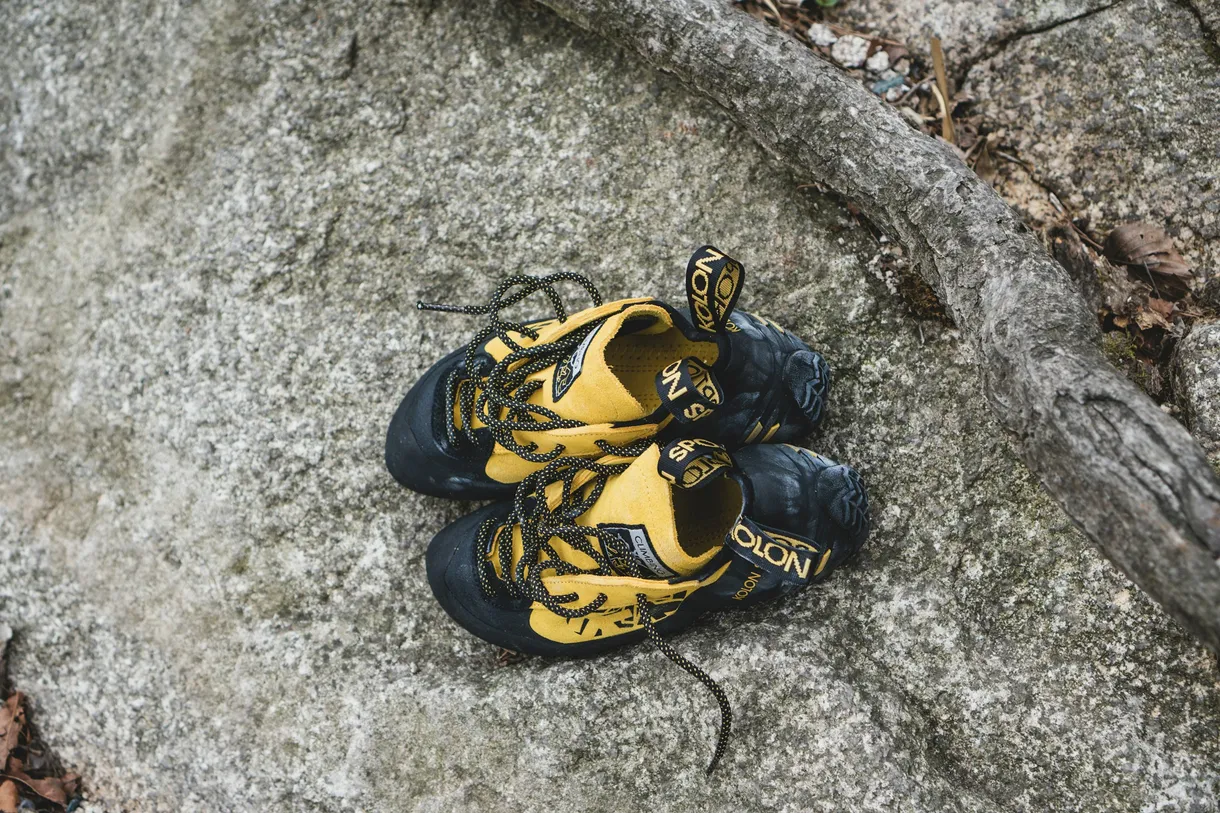
Nobody pulls hard on cold fingers anymore. That argument is won. Then the same climber puts cold toes into the tightest shoes they own and stands on a quarter-inch edge.
Read More
Nobody pulls hard on cold fingers anymore. That argument is won. Then the same climber puts cold toes into the tightest shoes they own and stands on a quarter-inch edge.
Read MoreA reader asked whether she could start the ten-session series while also seeing another practitioner about her neck, and whether one would make the other unnecessary. Here is the full answer I gave her.
Read MoreTell a climber your feet hurt and someone will name the TC Pro. It is a comfortable shoe. Comfort and width describe different things, and the difference is why the standard advice keeps failing the people who need it most.
Read MoreMost of us picture the spine as a column of blocks: something slips out of line, so you put it back in line. Tensegrity offers a better picture, and it changes what a practitioner looks at when your neck hurts.
Read MoreIf your body feels off but all your tests are “normal,” the issue might be in your fascia and nervous system—not your head. Learn how Structural Integration helps where nothing else has.
Read MoreFoot work fits in the gaps of a session. Between hangboard sets your feet are warm and out of shoes anyway, and the whole routine takes about as long as chalking up.
Read MoreWhen fascia is healthy, your body moves with ease. But when it gets stuck, it clings like cellophane—limiting motion, reinforcing tension, and causing pain that doesn’t always make sense. In this post, we explore what happens when fascia stops gliding, how that impacts your whole system, and why myofascial release is a powerful tool for healing.
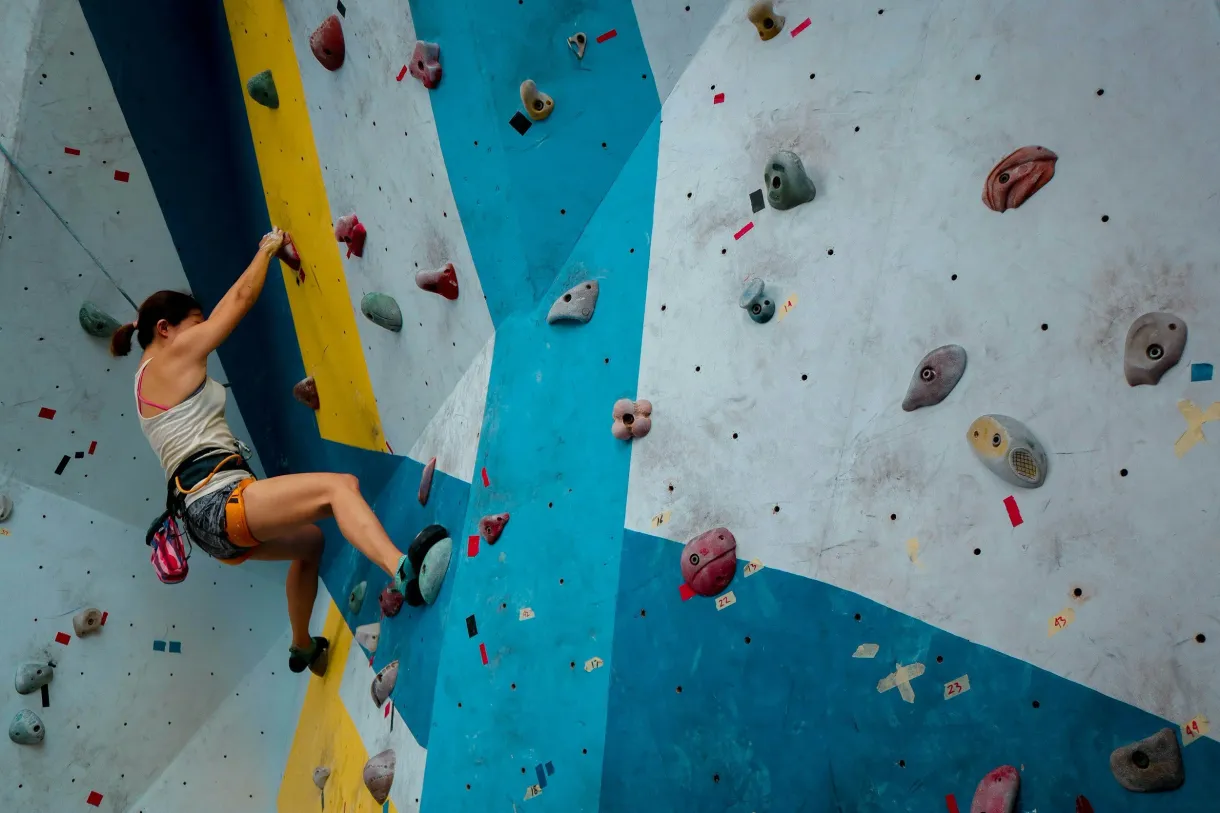
Read MoreClimbing is demanding—and fascia is often the missing link. If you’ve hit a plateau, feel stiff or off-balance, or deal with chronic pain, fascia-focused bodywork can help you climb longer and stronger.
Read MoreFascia was once tossed aside in anatomy labs—now it's one of the most fascinating frontiers in body science. From fibroblasts to fasciacytes and telocytes, researchers are discovering that fascia isn’t just connective tissue—it’s a living system that shapes how we move, feel, and heal. This post breaks down the history, science, and what we’re still learning.
Read MoreYou meditate to calm your mind—but what about your body? Vedic Meditation helps shift the nervous system, lower stress, and support healing on a cellular level. Here’s what actually happens when you rest deeply.
Read MoreLong hours of sitting reshape your body—and not in a good way. Learn how fascia responds to posture, why stretching isn’t enough, and how Structural Integration helps desk workers feel human again.
Read MoreEven when life is calm, your body might still feel tense. If you’re constantly tight or braced, the issue may be in your fascia and nervous system—not your mindset. Learn how Structural Integration can help your body unwind.
Read MoreIf you’ve tried everything for pain and nothing works, your fascia might be the missing link. Learn how this full-body connective tissue holds tension—and how Structural Integration can help you feel better for real.
Read MoreAlways tense, wired, or unable to rest? Your body might be stuck in fight-or-flight mode. Discover how Structural Integration helps calm the nervous system and brings your body back into balance.
Read MoreClimbing builds strength—but also imbalances, tension, and overuse injuries. Learn how fascia-focused Structural Integration helps climbers move better, recover faster, and stay injury-free for the long run.
Read More